
Brief History of All Hallows Eve Aka Hallloween
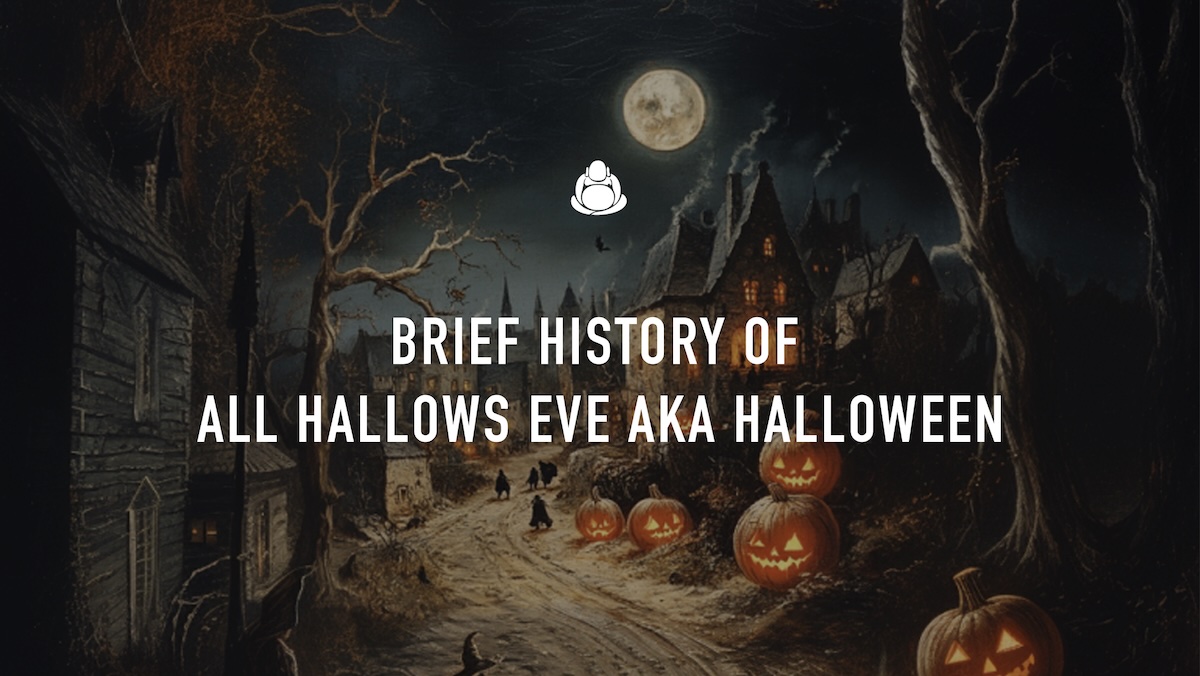
The History of Halloween: From Ancient Rituals to Modern Celebrations
Ahh it’s Halloween. A night of ghouls and goblins, bats and bunnies, and of course the ever famous Where’s Waldo costumes. Tonight isn’t just a night for the babies. In fact halloween for me went from going door to door in search of the best and rarest candies to taking as many shots as I could before blacking out in my last minute amazon bought costume.
And although we all know and love halloween, have ya’ll ever wondered where the tradition came from? I mean dressing up as monsters and mummies hunting for candy is pretty gnarly idea if you think about it.
Most of you are probably getting ready to go out as we speak but if you, like me, are staying home this year. Grab you some buudabomb gummies or chocolates, and here is a brief history of Halloween.
Ancient Beginnings: Samhain
Halloween traces its roots to the ancient Celtic festival of Samhain (pronounced "sow-win"), celebrated around October 31st. Over 2,000 years ago, the Celts, who lived in areas now known as Ireland, the UK, and northern France, marked this day as the end of the harvest and the beginning of winter—a time they linked with darkness and death.
During Samhain, it was believed that the barrier between the living and the dead weakened, allowing spirits to cross over into our world. People lit massive bonfires and wore costumes made from animal skins to ward off these spirits or disguise themselves as one of them. This tradition is where our modern-day practice of dressing up on Halloween originated.
Roman and Christian Influences
When the Romans conquered Celtic lands, their traditions began to merge with Samhain. Roman festivals like Feralia, which honored the dead, and a celebration for Pomona, the goddess of fruit and trees (symbolized by apples), blended with Celtic customs. This likely gave rise to Halloween games like bobbing for apples.
By the 8th century, the Christian church sought to replace pagan festivals with its own. Pope Gregory III designated November 1st as All Saints’ Day, also known as All Hallows’ Day—a time to honor saints and martyrs. The night before, October 31st, became known as All Hallows’ Eve, and eventually, Halloween.
Halloween in America
Halloween came to North America with European immigrants, especially the Irish who fled the potato famine in the 19th century. They brought with them traditions like carving turnips into lanterns, which evolved into the American practice of carving pumpkins into jack-o'-lanterns. Over time, Halloween in the United States transformed from a night of ghost stories and pranks into a community-centered holiday.
Modern Halloween
By the early 20th century, Halloween had become more secular and family-friendly. The focus shifted to parties, parades, and, of course, trick-or-treating—a custom that evolved from the medieval practice of "souling," where poor people would go door-to-door offering prayers for the dead in exchange for food.
Today, Halloween is a mix of ancient superstitions, religious traditions, one too many bunny and cat costumes, modern festivities, and pounding back tequila shots at the bar with a bed sheet over your head with holes for eyes. It's a time for costumes, haunted houses, scary movies, and all things spooky. From its Celtic beginnings to its current status as a beloved global holiday, Halloween has maintained its mysterious charm and continues to captivate people of all ages.
So this October 31st, as you put on your costume or carve a pumpkin, remember that you’re taking part in a tradition that dates back thousands of years. Happy ghouling, ya pumpkins!
There are currently no comments.
To comment please sign in.